The Manosphere - By Copilot
What is the manosphere?
The manosphere is a loose, sprawling network of online communities that promote ideas about masculinity, male identity, and gender relations. These spaces range from men’s rights activists to incel forums, pick‑up artist communities, and groups like MGTOW. While each subgroup has its own focus, they are broadly united by the belief that society is biased against men and that feminism has created a culture hostile to male interests. Many of these communities frame their worldview through the metaphor of “taking the red pill,” suggesting that they reveal hidden truths about gender and power. Research and reporting have linked parts of the manosphere to misogyny, online harassment, and, in some cases, radicalisation into harmful beliefs.
What does the manosphere say about making money?
A recurring theme across manosphere content is the idea that financial success is both a marker of masculinity and a pathway to personal freedom. Influencers within this space often promote entrepreneurial hustle, high‑risk investing, or self‑employment as the only respectable routes to wealth. The message is typically framed as a rejection of traditional employment, which they portray as emasculating or limiting. This financial rhetoric is often tied to broader narratives about dominance, self‑improvement, and escaping societal constraints. While some advice is generic self‑help, other strands veer into unrealistic promises or exploitative schemes, especially when tied to paid courses or mentorship programmes.
What does the manosphere say about relationships between men and women?
Many manosphere communities present relationships as adversarial, arguing that modern women are untrustworthy, hypergamous, or driven by feminism to undermine men. Incels, for example, frame women as enemies and often encourage resentment or hostility. Pick‑up artist communities focus on manipulation and control, while MGTOW groups advocate withdrawing from relationships entirely. Across these subcultures, women are frequently portrayed as the source of men’s frustrations, and traditional gender hierarchies are idealised as the solution. This worldview has been linked to harmful attitudes and, in some cases, violence against women.
Why is the manosphere so appealing to young men?
Young men often encounter the manosphere during periods of insecurity, loneliness, or confusion about their place in the world. These communities offer simple explanations for complex problems, providing a sense of belonging and a narrative that validates their frustrations. The manosphere also thrives on highly engaging content—podcasts, short‑form videos, and charismatic influencers—making it easy to stumble into and difficult to ignore. For some, it feels like a space where their struggles are acknowledged, even if the solutions offered are harmful or misleading.
Is the manosphere affecting the behaviour of young men today?
There is growing evidence that manosphere narratives are influencing the attitudes and behaviours of young men. Reports highlight increases in misogynistic language, online harassment, and acceptance of harmful stereotypes. Some documentaries and studies have shown how these ideas can escalate into real‑world hostility or violence. The manosphere’s reach has expanded through social media algorithms, making its messages more visible and normalised. This has raised concerns among educators, parents, and policymakers about its impact on gender relations and young men’s mental wellbeing.
Who is Andrew Tate?
Andrew Tate is one of the most prominent figures associated with the manosphere. A former kickboxer turned influencer, he built a massive online following by promoting an ultra‑masculine lifestyle centred on wealth, dominance, and control. Tate’s content often includes misogynistic statements and has been widely criticised for encouraging harmful attitudes toward women. His rise to prominence is closely tied to the manosphere’s broader ecosystem of influencers who frame themselves as truth‑tellers challenging mainstream culture. Tate has appeared in documentaries exploring this online world, including those by Louis Theroux, which examine the influence and dangers of manosphere rhetoric.
How does the manosphere relate to the Netflix series Adolescence?
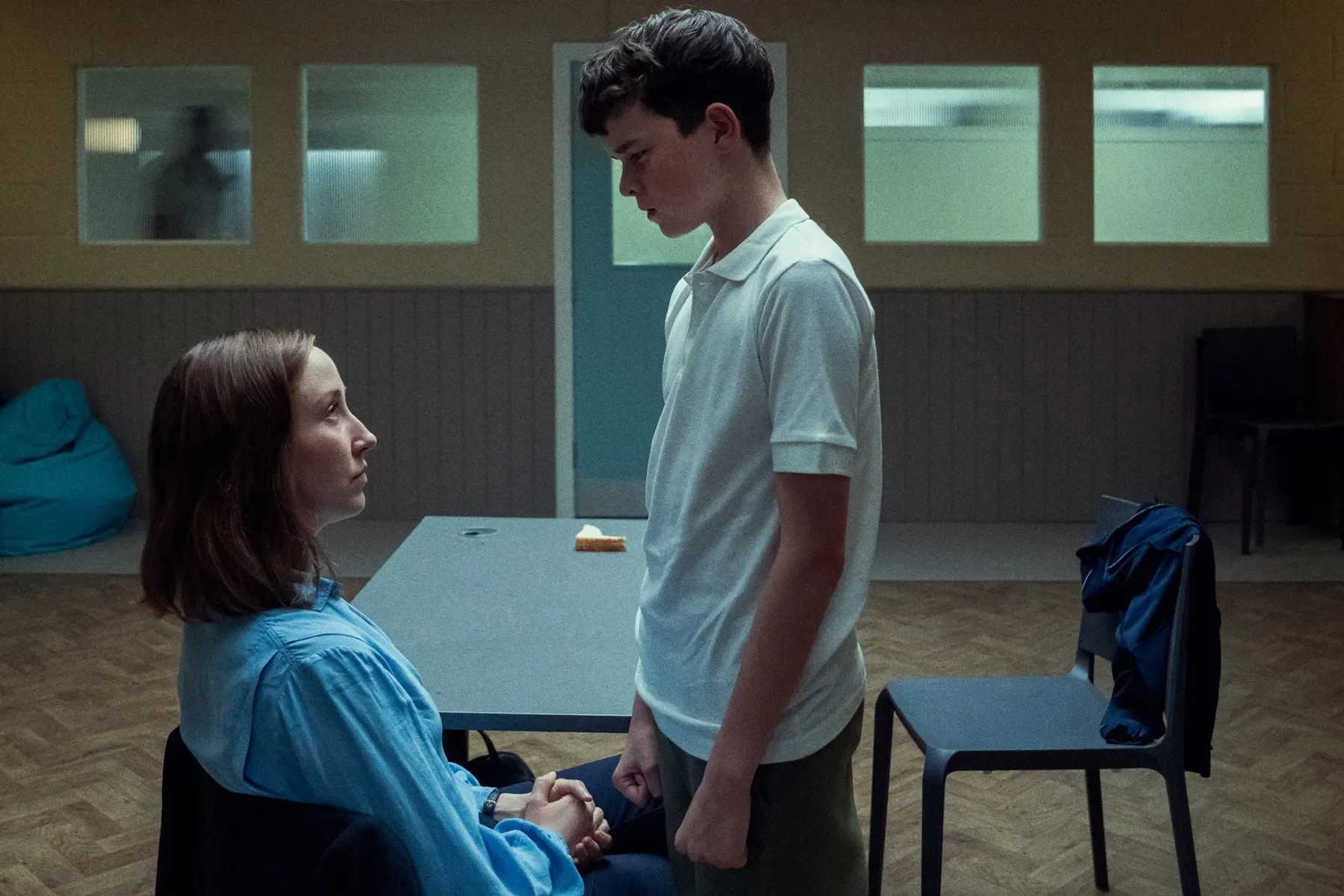
The Netflix series Adolescence was critically acclaimed for its portrayal of how manosphere ideologies can influence violence against women and girls, both online and offline. The show highlights the ways digital spaces shape young people’s understanding of gender, power, and identity. It illustrates how easily young men can be drawn into harmful online communities and how these ideas can spill into real‑world behaviour. The series has been cited in discussions about the manosphere’s growing cultural impact and the urgent need to address its influence on youth.
This is a list of key vocabulary and expressions from the article in order of how useful they are. The student must choose 6 items from the list to study in the lesson.
To encourage (someone (to do something))
To acknowledge (someone/ something)
To exploit (someone/ something)
To undermine (something/ someone)
To be tied to (something/ someone)
Conversation-provoking questions related to the article.
1. What is the manosphere?
2. What does the manosphere say about making money?
3. What does the manosphere say about relationships between men and women?
4. Why is the manosphere so appealing to young men?
5. Is the manosphere affecting the behaviour of young men today?
6. Who is Andrew Tate?
7. How does the manosphere relate to the Netflix series Adolescence?
8. Do you think what the manosphere says about making money can be helpful and motivational for young men?
9. Do you know of any famous men who are good role models?
10. How much control do parents have over what their kids watch online?
11. Are you aware of similar manosphere ifluencers from your native country?
12. Do you worry about how the manosphere could influence gen z males?
13. Did you enjoy ‘Adolescence’ on Netflix?
14. Have your opinions been influenced by people online?
15. What type of videos does the algorithm give you?