Ozempic - By ChatGPT
What is Ozempic?
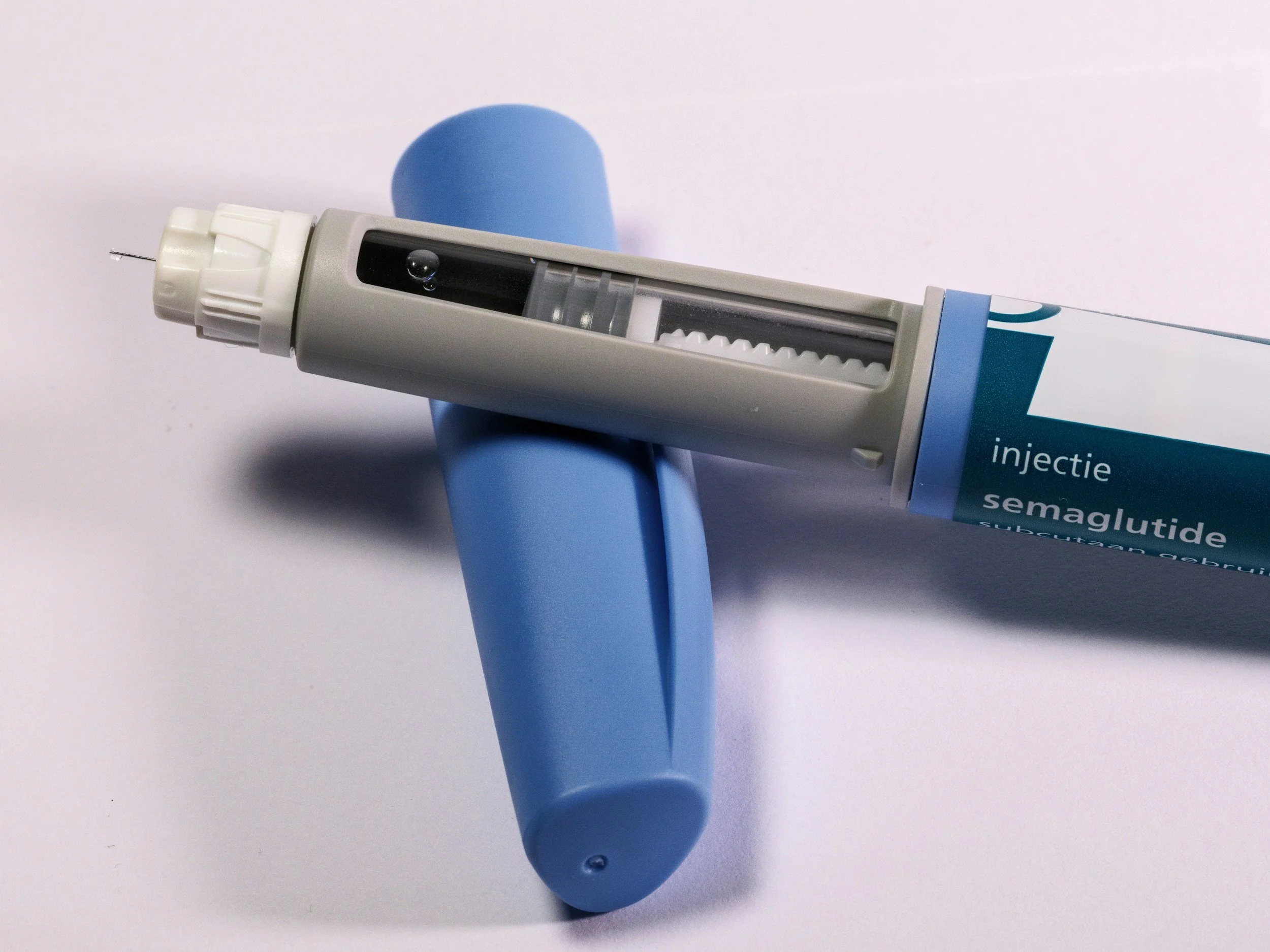
Ozempic is a medication designed to help manage Type 2 diabetes, but it has quickly broken out of its original medical niche and moved into the mainstream conversation. It works by mimicking a natural hormone that helps regulate blood sugar, slows digestion, and reins in appetite. As more people have taken it up, the drug has gathered a reputation for triggering significant weight loss, which has pushed it into the spotlight far beyond the doctor’s office. In many ways, Ozempic has come to stand at the crossroads of medicine, culture, and economics, reshaping how people talk about health and body management.
Is Ozempic a long-term weight-loss solution?
Ozempic can support long-term weight loss, but only if someone stays on the medication. Once people come off it, the appetite-suppressing effects tend to wear off, and weight often creeps back on. Many clinicians point out that sustainable weight management still hinges on lifestyle changes, even if Ozempic can make those changes easier to stick to. Because it’s a prescription drug with potential side effects, anyone considering long-term use should check in with a qualified healthcare professional to work out what’s appropriate for their situation.
Can Ozempic help with other addictions?
Researchers are beginning to look into whether Ozempic and similar GLP‑1 drugs might take the edge off cravings for substances like alcohol or nicotine. These medications act on parts of the brain linked to reward and impulse control, which has sparked interest in whether they could help people break out of addictive cycles. Early studies show promise, but the science is still taking shape, and Ozempic is not approved as an addiction treatment. Anyone struggling with dependency should reach out to professional support services, but the idea that a metabolic drug could reshape how we understand addiction is one of the most intriguing developments surrounding Ozempic’s rise.
How is Ozempic affecting the economy?
The economic ripple effects of Ozempic are spreading far and wide. As more people take up GLP‑1 medications, consumer habits are shifting: supermarkets are reporting lighter shopping baskets, restaurants are noticing customers cutting back on portions, and even airlines are running the numbers on whether lower average passenger weight could trim fuel costs. Meanwhile, the pharmaceutical sector has been shaken up, with Novo Nordisk—the company behind Ozempic—shooting up the global rankings in value. The drug has effectively carved out a new economic footprint, reshaping industries that never expected to be caught up in a medical trend.
How has Ozempic affected the Danish economy?
Denmark offers the clearest example of a national economy being swept up by a single pharmaceutical success. Novo Nordisk has grown so rapidly that its market value now rivals the size of Denmark’s entire annual GDP. The country’s recent economic growth has leaned heavily on exports of Ozempic and Wegovy, to the point where analysts often strip out Novo Nordisk’s contribution to see what the underlying economy looks like. When expectations for the company cool, Denmark’s growth forecasts tend to fall in step. This boom has brought prosperity, but it has also left Denmark more exposed to the fortunes of one company than many economists would like.
How is Ozempic affecting body perception?
Ozempic is reshaping how people think about bodies, weight, and self-image. Rapid, medication-driven weight loss has become more visible, especially among celebrities and influencers, and this visibility can crank up pressure to slim down or “keep up.” For some, the drug offers a sense of control and relief; for others, it reinforces narrow beauty standards that many hoped society was moving away from. As Ozempic becomes woven into everyday conversation, it risks shifting the cultural baseline—making medically assisted weight loss seem like the default rather than one option among many.
Is Ozempic exacerbating health inequality?
Access to Ozempic is uneven, and that gap is widening. People with strong insurance coverage or higher incomes can often get hold of the drug, while others are priced out or face shortages. This divide means that the benefits of weight loss and improved metabolic health are not shared equally. At the same time, rising demand for cosmetic use can squeeze supply for those who rely on the medication for diabetes management. Unless pricing, regulation, and public health policy keep up with demand, Ozempic risks deepening existing inequalities rather than helping to close them.
This is a list of key vocabulary and expressions from the article in order of how useful they are. The student must choose 6 items from the list to study in the lesson.
To rely on (something/ someone)
To lean on (something/ someone)
To be caught up (in something)
To get hold of (something/ someone)
To rein (something/ someone) in
Conversation-provoking questions related to the article.
1. What is Ozempic?
2. Is Ozempic a long-term weight-loss solution?
3. Can Ozempic help with other addictions?
4. How is Ozempic affecting the economy?
5. How has Ozempic affected the Danish economy?
6. How is Ozempic affecting body perception?
7. Is Ozempic exacerbating health inequality?
8. ‘Ozempic will change the world for the better.’ Do you agree?
9. ‘Ozempic will never be popular in my native country.’ Do you agree?
10. ‘If Ozempic reduced my desire for online shopping, I would take it.’ Is this true for you?
11. ‘Natural solutions are always better than medical ones.’ Do you agree?
12. ‘Ozempic will destroy our social lives because nobody will want to eat or drink together.’ Do you agree?
13. ‘It would be great if Ozempic could reduce our desire for alcohol, drugs, gambling and other vices.’ Do you agree?
14. ‘You have no control over how much willpower you have.’ Do you agree?
15. ‘Big pharmaceutical companies and government regulators cannot be trusted.’ Do you agree?