Student World Cup competition - by Gavin Ferguson
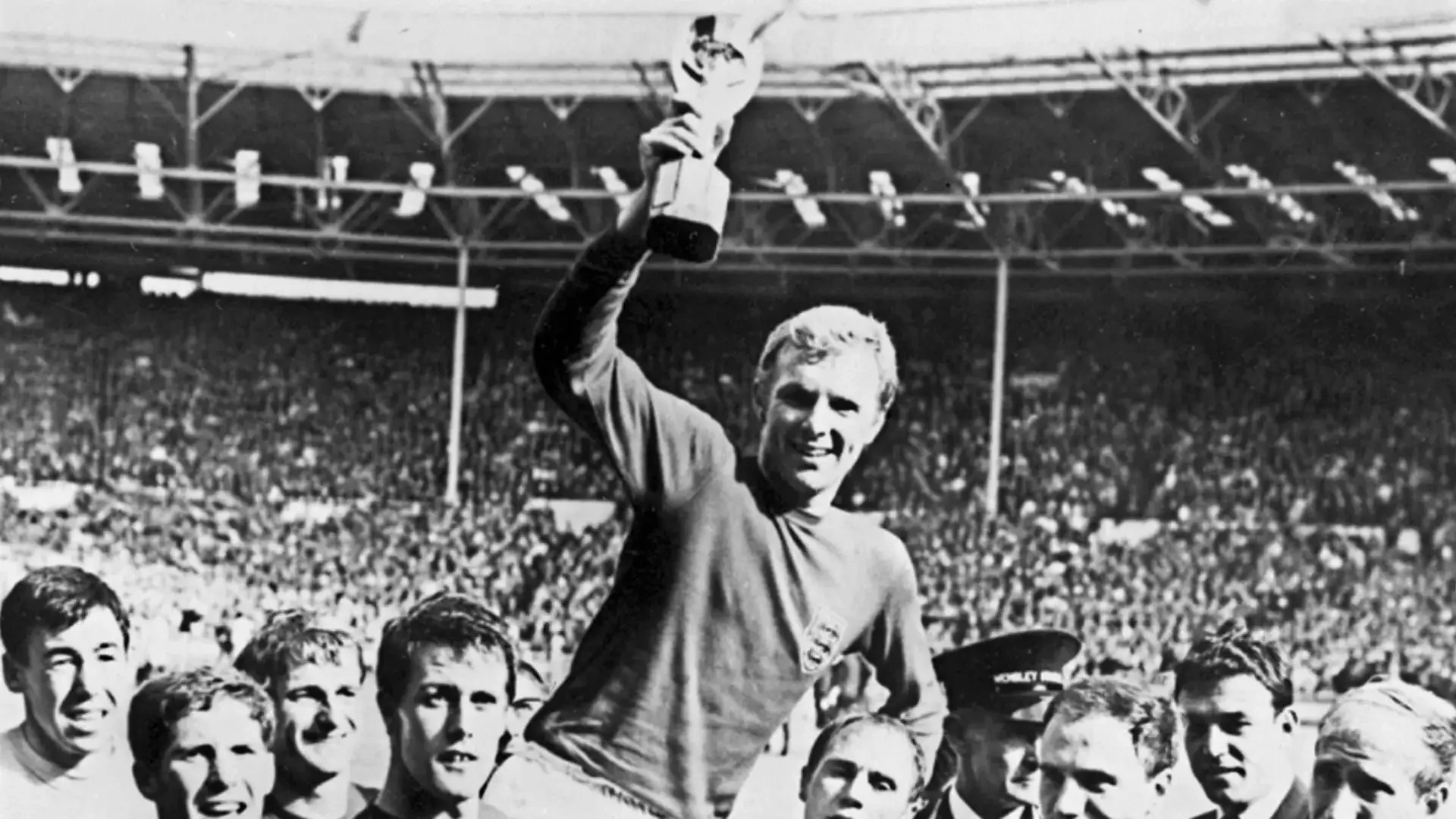
England last won it in 1966
How can you win an England shirt?
The World Cup is coming! We will have a random draw to allocate teams to students. If your team wins the world cup, you will win an England football shirt!
One of my students, Javier, is from Argentina - if he wins the competition, he will be awarded a Scotland shirt instead of an England shirt to prevent him from being lynched in his native country.
Now I am going to explain to you why FOOTBALL IS LIFE.
What first sparked my interest in football?
When I was incredibly young, I was obsessed with action man and the army. It wasn’t until I was 8 years old when a primary school teacher invited us to play in a local football tournament that my focus switched to football. Although, even if she hadn’t invited me to that tournament, I probably still would have fallen in love with football through my dad.
What was my footballing dream?
It wasn’t long before my overriding life goal became to become a professional footballer, and I believed that if I practised hard enough, I could make my dream come true.
Instead of taking the bus or riding my bike, I dribbled my football from my house to school. I would arrive at school so early to practise kicking the ball around that I would wake up the ducks and gently usher them off the football pitch before I started playing. Then for hours after school, fuelled by copious amounts of sugar, the practice would continue.
There was a great footballer in my school, but it wasn’t me, it was Nana. By the age of 11, Nana had an 8-pack. He could sit down on a bench and juggle a miniature football on his foot for minutes on end. In the playground, he could have about 20 kids chasing him, all trying to get the ball off him, and none would get close.
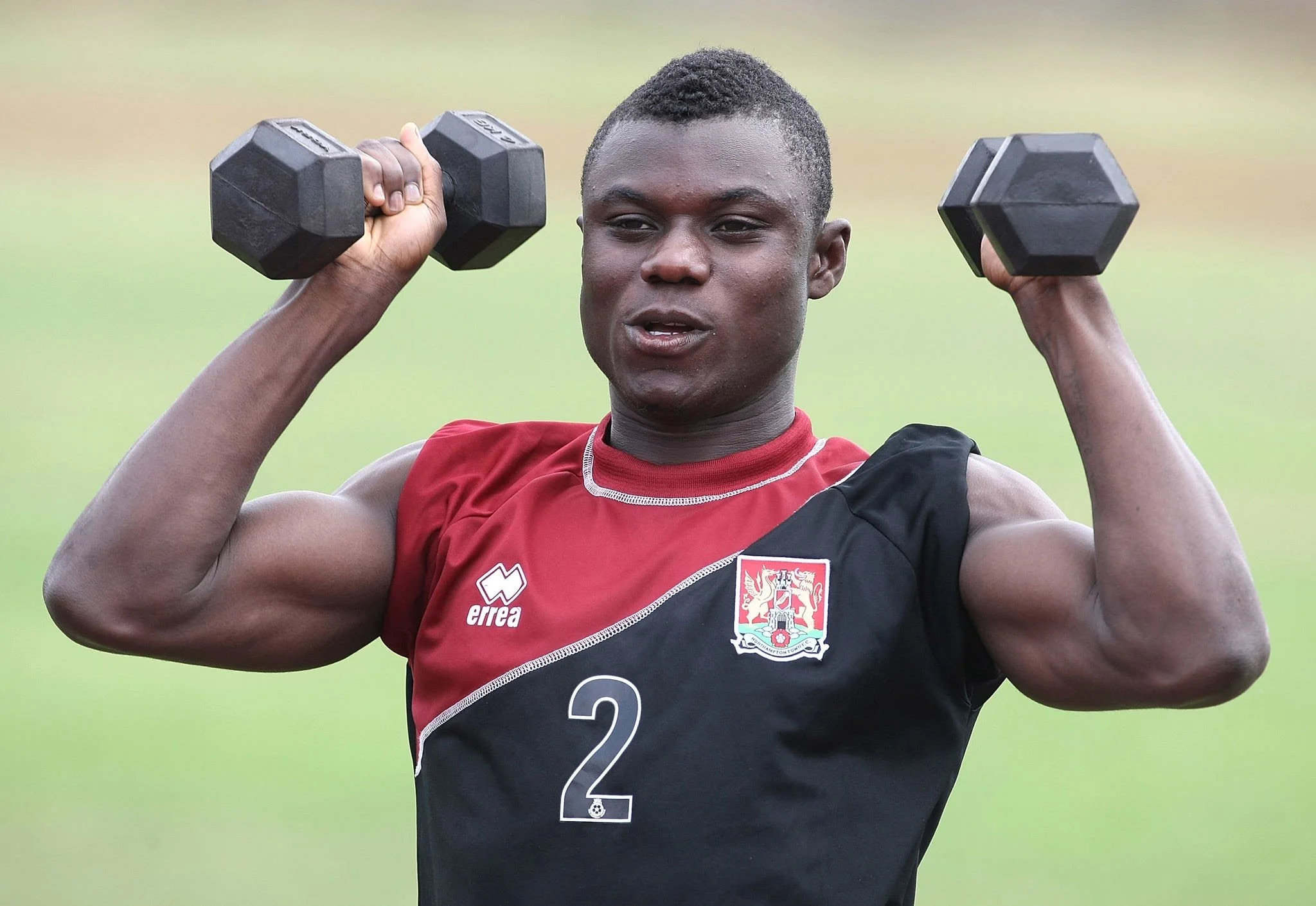
Not much has changed about Nana’s physical appearance since the age of 11
This is what a professional level footballer looked like. In hindsight, I should have known that I was far too skinny and slow to reach Nana’s professional level – but I didn’t, and so I kept plugging away with the practice.
Which team do I follow?
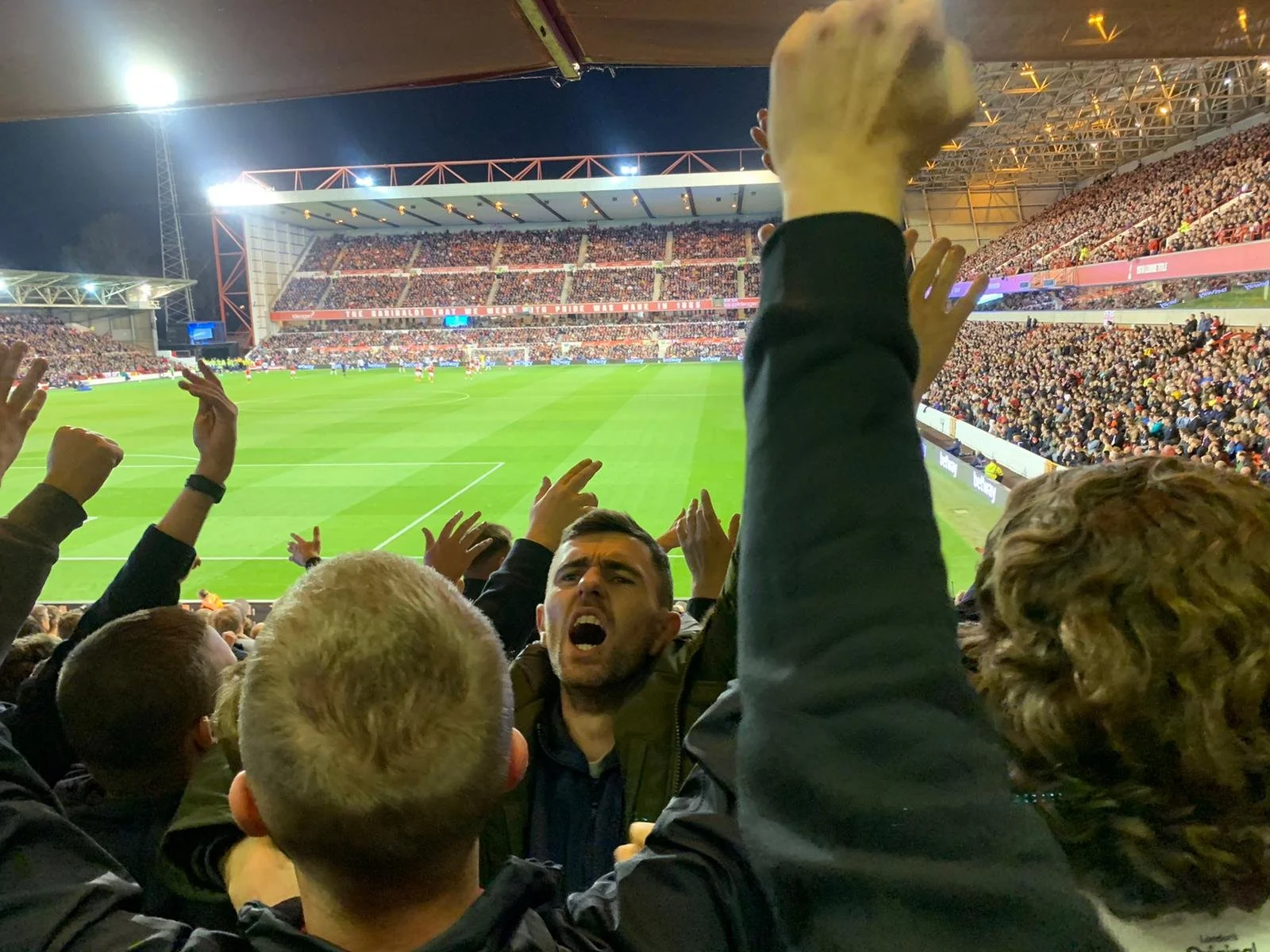
Me facing the wrong way during a Fulham victory at Nottingham Forest
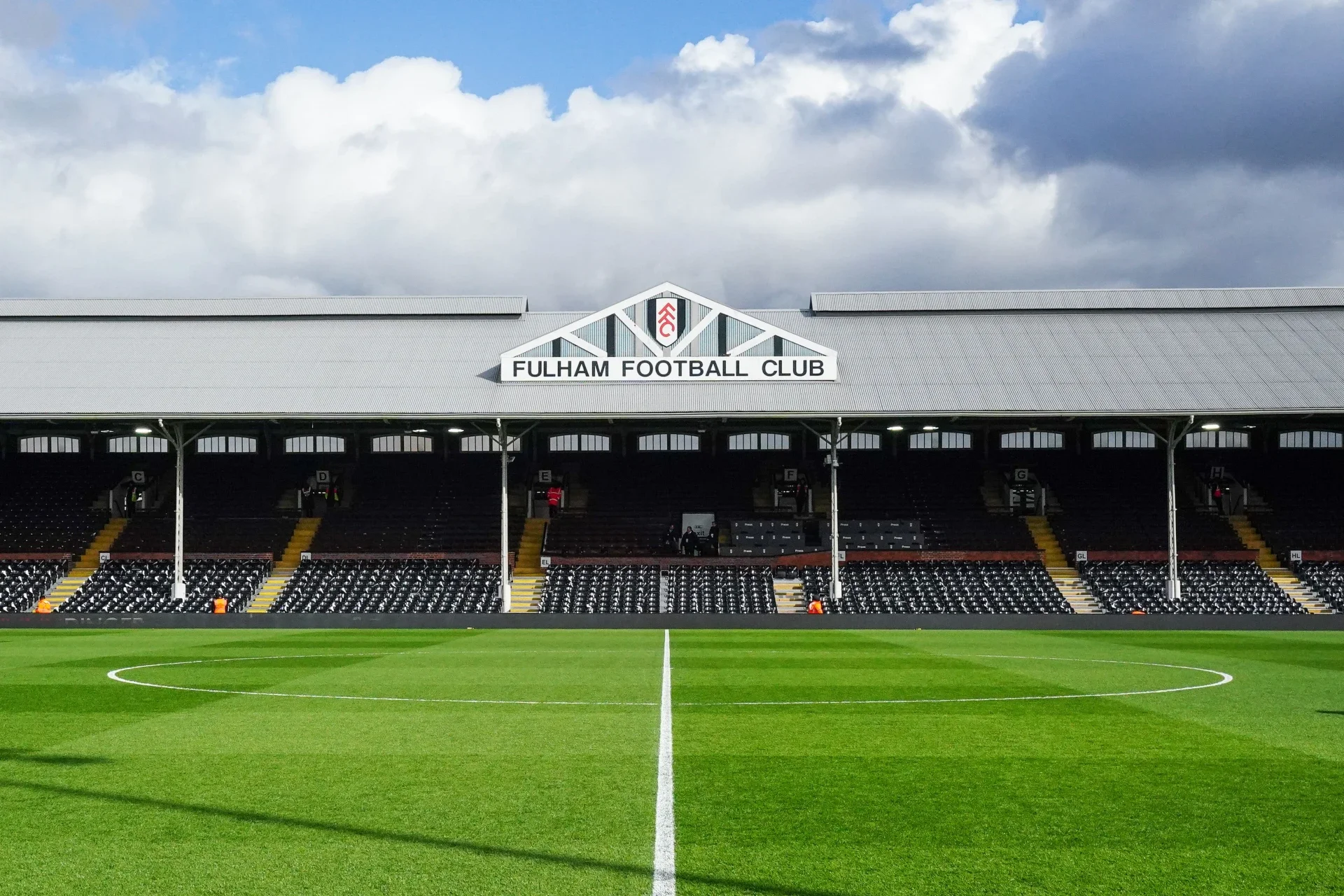
Craven Cottage - Fulham’s beautiful and historic stadium
When I was a kid, my dad started taking me to watch Fulham Football Club. Perhaps I’m biased, but I think we have the most beautiful historic stadium in England. We went to watch Fulham as a family, dragging my mother along with us too.
As I got older, my friends and I started following Fulham on their away games too. I’ve been to every nook and cranny of England to watch Fulham. I’ve even seen them play in Poland and Germany.
Do I still play now?
At the age of 36, I’m still clinging on to my football playing career. I play for my team in a London-wide league every Saturday.
When we win and I play well, I feel moderately happy for the rest of the day, but when we lose and I play badly, I feel catastrophically depressed and down in the doldrums until the next game. I play not for happiness or enjoyment, but because it’s in my blood.
Why do I prefer watching to playing?
What I enjoy far more than playing football, is watching football on the tv. My entire social life revolves around football. Virtually every Sunday, I meet with my friends and we watch 3 football matches – 2 from England and 1 from Italy to wean us off before we go home to bed. While the games are on, we spend most of our time arguing about football instead of actually watching the screen. Watching is better than playing for two reasons, firstly because you can drink beer while you watch, and secondly because you don’t run the risk of damaging your self-esteem!
What happens when I meet new people?
Let’s imagine my wife drags me along to her friend’s birthday party in Argentina and I’m sat next to some bloke I’ve never met before. Sometimes these situations can be a bit awkward for me, so my opening strategy is always to strike up a conversation about football. I’ll usually ask ‘what team do you support?’. From there, the conversation can go one of two ways. The first possibility is that he responds enthusiastically and we spend the rest of the evening talking about our favourite players, the stadiums we have been to etc., and by the end of the evening we’re exchanging phone numbers trying to arrange our next meeting. Alternatively, he’ll respond by saying ‘I’m not really into football’ – in which case my heart will sink and my evening will plunge into the abyss of social awkwardness.
This is a list of key vocabulary and expressions from the article in order of how useful they are. The student must choose 6 items from the list to study in the lesson.
1. Perhaps
Definition: Used to express uncertainty, possibility, or a polite suggestion; maybe.
Example:“Perhaps we should reschedule the meeting for tomorrow if everyone is too busy today.”
2. To chase (something/someone)
Definition: To run after or pursue someone or something in order to catch them, or to eagerly try to attain a goal.
Example:“The dog loves to chase squirrels in the yard, though it never actually catches one.”
3. To be obsessed (with something/someone)
Definition: To be unable to stop thinking about something or someone; to have an unhealthy or extreme fixation.
Example:“Ever since she started training for the marathon, she has been completely obsessed with tracking her daily mileage.”
4. Awkward
Definition: Causing or feeling embarrassment, discomfort, or inconvenience; lacking skill or social grace.
Example:“There was an awkward silence in the room after he made that joke, as nobody knew whether to laugh or not.”
5. SHOULD + HAVE + PAST PARTICIPLE
Definition: A grammatical structure used to express regret, criticism, or a missed opportunity about a past event.
Example:“I should have checked the weather forecast before leaving the house without an umbrella.”
6. IF + HAD + PAST PARTICIPLE, WOULD + HAVE + PAST PARTICIPLE
Definition: The third conditional grammatical structure, used to imagine a hypothetical past situation and its past outcome. It describes an event that did not happen, and the imaginary result that also did not happen (often expressing regret or relief).
Example:“If I had woken up ten minutes earlier, I would have caught the train and arrived at the interview on time.”
7. To make your dream come true
Definition: To successfully achieve something that you have wanted or hoped for over a very long period.
Example:“After years of saving money and working late nights, she finally made her dream come true and opened her own bakery.”
8. To cling (on) to something/someone
Definition: To hold on tightly to something physically, or to refuse to let go of a belief, hope, or person emotionally.
Example:“Despite the company's financial troubles, the manager clung to the hope that a new investor would save them.”
9. To drag (something/someone somewhere)
Definition: To pull something along the ground with effort, or to force someone to go somewhere they don't really want to go.
Example:“I didn't feel like going out, but my friends managed to drag me to the party anyway.”
10. To be biased
Definition: Showing an unfair prejudice or preference for one person, group, or idea over another.
Example:“The referee was clearly biased toward the home team, giving them several controversial penalties.”
11. In hindsight
Definition: Looking back at a past situation with the knowledge and understanding that you have now.
Example:“In hindsight, buying that cheap secondhand car was a terrible idea, as it broke down only a week later.”
12. To juggle (something)
Definition: To manage, balance, or handle several tasks, responsibilities, or activities at the same time.
Example:“As a working parent, it is incredibly difficult to juggle a full-time job, childcare, and household chores.”
13. A bloke
Definition: An informal British term meaning a man; a guy or fellow.
Example:“I was lost in London, but a friendly bloke at the tube station gave me directions to my hotel.”
14. A 6-pack
Definition: Well-developed, highly visible abdominal muscles; can also informally refer to a package of six beers or drinks.
Example:“He has been doing hundreds of sit-ups every day at the gym in hopes of getting a 6-pack for the summer.”
15. Virtually
Definition: Nearly, almost entirely, or for all practical purposes.
Example:“Because of the heavy snowstorm, it was virtually impossible for any trains to leave the station on time.”
16. To strike up (a conversation with someone)
Definition: To start or initiate a conversation or relationship in an informal, spontaneous way.
Example:“She is so outgoing that she can easily strike up a conversation with a total stranger while waiting in line.”
17. My heart sinks
Definition: A sudden feeling of extreme disappointment, sadness, or dread.
Example:“My heart sank when I opened my laptop and realized I hadn't saved the document I worked on all night.”
18. Copious
Definition: Abundant in supply; a very large amount of something.
Example:“The student took copious notes during the lecture to ensure he wouldn't miss any information for the upcoming exam.”
19. To plunge
Definition: To fall or dive quickly and forcefully; can describe a physical drop or a sudden economic decrease.
Example:“Temperatures are expected to plunge below freezing tonight, so make sure to turn on the heating.”
20. To keep plugging away
Definition: To persist or continue working hard at a difficult task, even if progress is slow.
Example:“Learning a new language is tough, but if you keep plugging away every day, you will eventually become fluent.”
21. To usher (someone somewhere)
Definition: To guide, lead, or conduct someone politely to a specific place or seat.
Example:“The staff member quickly ushered the VIP guests through a private side entrance to avoid the crowds.”
22. Every nook and cranny
Definition: Every single corner, hidden place, or small part of something.
Example:“I searched every nook and cranny of the house, but I still couldn't find where I left my car keys.”
23. To wean (someone) off (something)
Definition: To gradually stop someone from doing, using, or consuming something they have become dependent on.
Example:“He is trying to wean himself off coffee by switching to herbal tea in the afternoons.”
24. Overriding
Definition: More important, powerful, or significant than any other considerations.
Example:“The overriding concern for the airline company during the storm was the safety of its passengers.”
25. To be down in the doldrums
Definition: Feeling depressed, low in spirits, lacking energy, or stuck in a period of stagnation.
Example:“He has been down in the doldrums ever since his project was rejected by the board of directors.”
15 conversation-provoking questions related to the article.
1. How can you win an England shirt?
2. What first sparked my interest in football?
3. What was my footballing dream?
4. Which team do I follow?
5. Do I still play now?
6. Why do I prefer watching to playing?
7. What happens when I meet new people?
8. What interests did you have when you were young and what sparked them?
9. What were your dreams as a youngster?
10. What is your ‘comfort zone’ subject when you meet new people?
11. Is it detrimental to dream of being a professional football player?
12. Is your country football mad?
13. Did you have any very talented kids in your school?
14. What activities did you do with your family when you were younger?
15. When does an obsession become unhealthy?