What would you have done if you hadn’t done that? - by Gavin Ferguson
In this lesson, we will be talking about many situations in the past that didn’t happen and their consequences in the past. This is the 3rd conditional.
IF + HAD + PAST PARTICIPLE, WOULD + HAVE + PAST PARTICIPLE
1. What did you do on Friday night?
I went to my wife’s friend’s wedding in Oxford. Objectively, it was a great wedding party, but I can’t say that I enjoyed it that much because I didn’t know anyone who was there. The highlight of the night was when the bride’s incredibly drunk sister got up on stage to sing a song. She made it back off the stage just in the nick of time before collapsing into the arms of friends and family. A very British wedding.
What would you have done if you hadn’t done that?
If I hadn’t gone to the wedding, I would have stayed at home with my wife. Almost every Friday, we have dinner at home, watch a film, I eat copious amount of chocolate biscuits, then my wife has a go at me for nodding off before the film has finished. This is our Friday routine and I wouldn’t change it for the world.
2. What did you study at university/ another place?
I studied Politics and Sociology. As a teenager, I didn’t really feel I had a calling in life or a particular degree that I wanted to study. My parents encouraged me to just pick something that floats my boat or at the very least interests me a bit.
What would you have done if you hadn’t done that?
If I hadn’t studied Politics and Sociology, I probably would have studied Psychology. Although, if I could choose now, I would definitely study History!
3. What did you have for breakfast this morning?
This morning my mum made me pancakes for breakfast. I am aware that this makes me sound like a 7-year old child, but I commute to central London on my bike every day and my mum lives en route. About once a week, I place an order in advance and drop by hers for pancakes on my way to work. She likes feeding her sons and I like eating her pancakes, so this routine is mutually beneficial.
What would you have done if you hadn’t done that?
If I hadn’t had pancakes, I would have gone to M & S and bought 2 scones. I must confess this happens quite a lot.
4. What did you do last night?
Last night, with my wife, I watched a BBC documentary about conflicts between white and black farmers in Kenya before reading a couple of pages of a history book about the British empire in bed.
What would you have done if you hadn’t done that?
If I hadn’t watched the documentary and read my book, I would have watched a detective documentary with my wife. We absolutely relish a detective documentary.
5. When was the last time you bought something expensive?
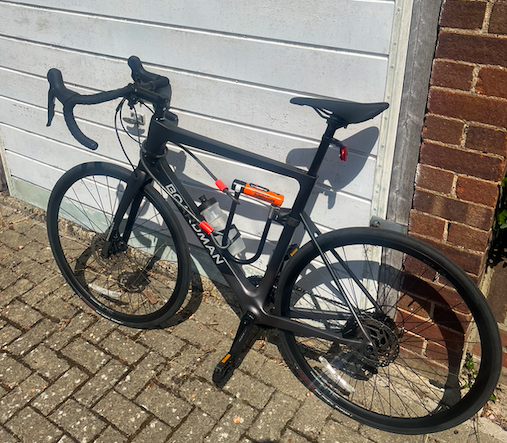
New bike
I recently splashed out on a new road bike. I spend about 12 hours a week sitting on my bicycle, so I thought it would be worth treating myself to an upgrade. I’ve fallen head over heels in love with my new bike, when riding, I feel like I’m skiing into central London. Given how much money people spend on public transport in London, I feel justified in spending a bit of extra money on my bike. I wish I had invested in a fancy road bike sooner!
What would you have done if you hadn’t done that?
If I hadn’t bought a new road bike, I probably would have put the money towards a trip with my wife.
6. Where did you go for your last holiday?
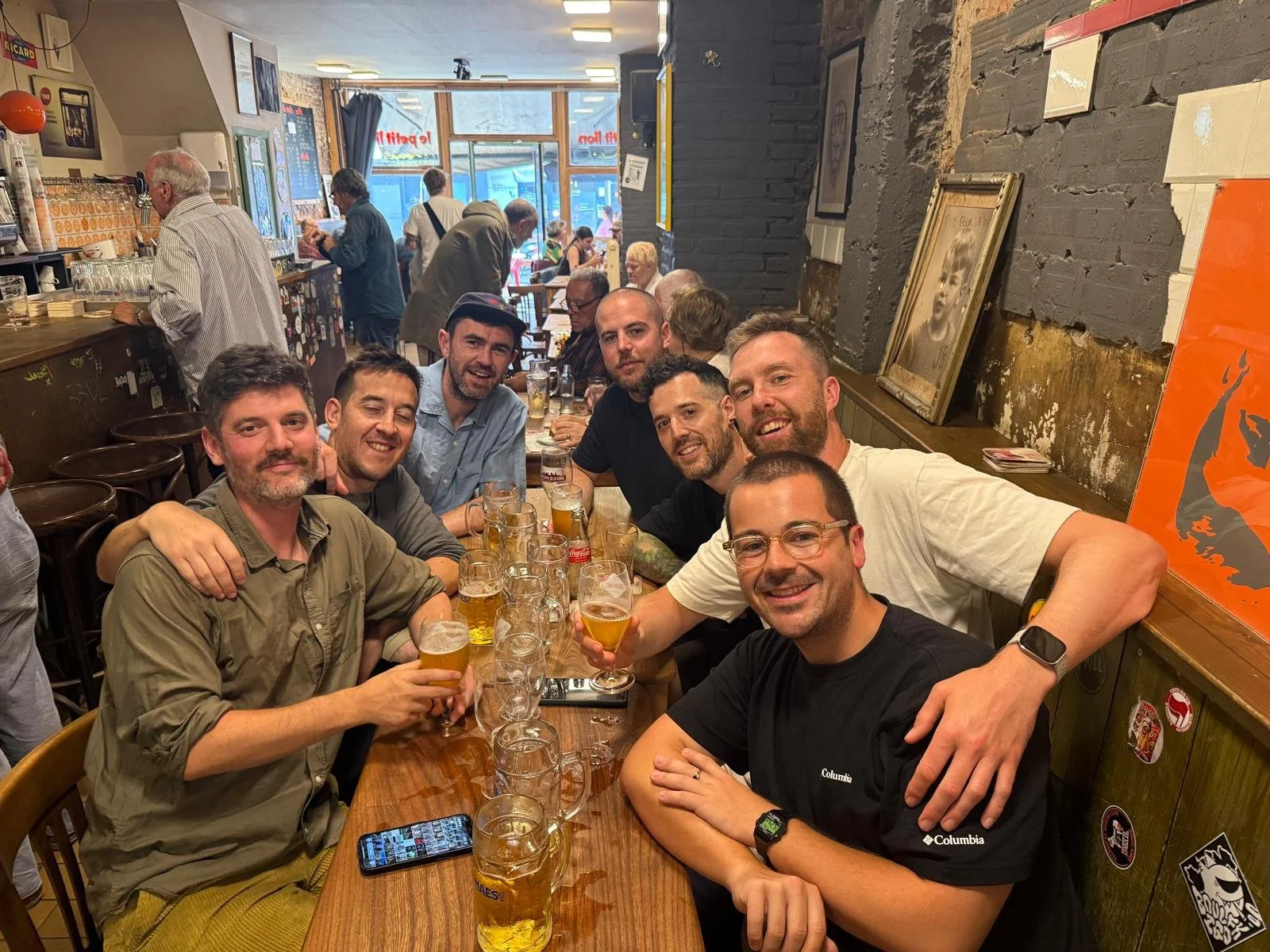
Ghent
I went with a group of friends to Ghent in Belgium. I had no idea Ghent was such a beautiful city with such a proud history. My friend’s planning of the trip was spot-on, and he took us to many great restaurants.
What would you have done if you hadn’t done that?
If we hadn’t gone to Belgium, we would have gone to York.
7. What did you do on Sunday?
On Sunday I worked as a tour guide in the morning and then watched to football matches in the pub with my friends in the afternoon.
What would you have done if you hadn’t done that?
If I hadn’t worked in the morning, I would have made my wife breakfast in bed. If I hadn’t watched 2 matches in the pub, I would have watched 3 matches in the pub.
8. How did you celebrate your last birthday party?
I celebrated my last birthday party in Argentina. My wife and I visited many different cafes in Buenos Aires and then my father-in-law made us burgers on the barbecue.
What would you have done if you hadn’t done that?
If I hadn’t had burgers on the barbecue, I would have gone to a pizzeria with my wife and my in-laws.
9. When did you move to a new place?
When I was younger, I moved to Australia. Brits who are under 30 can live and work in Australia for 1 year. If you want to live for more than a year, you need to work on a farm for 3 months. After having lived in Australia for almost a year, I set off to work on a pineapple farm. Part of my role on the farm was to chop the heads off the pineapples, but one day I inadvertently nearly chopped off my finger, and due to this work related injury I decided to go back to blighty.
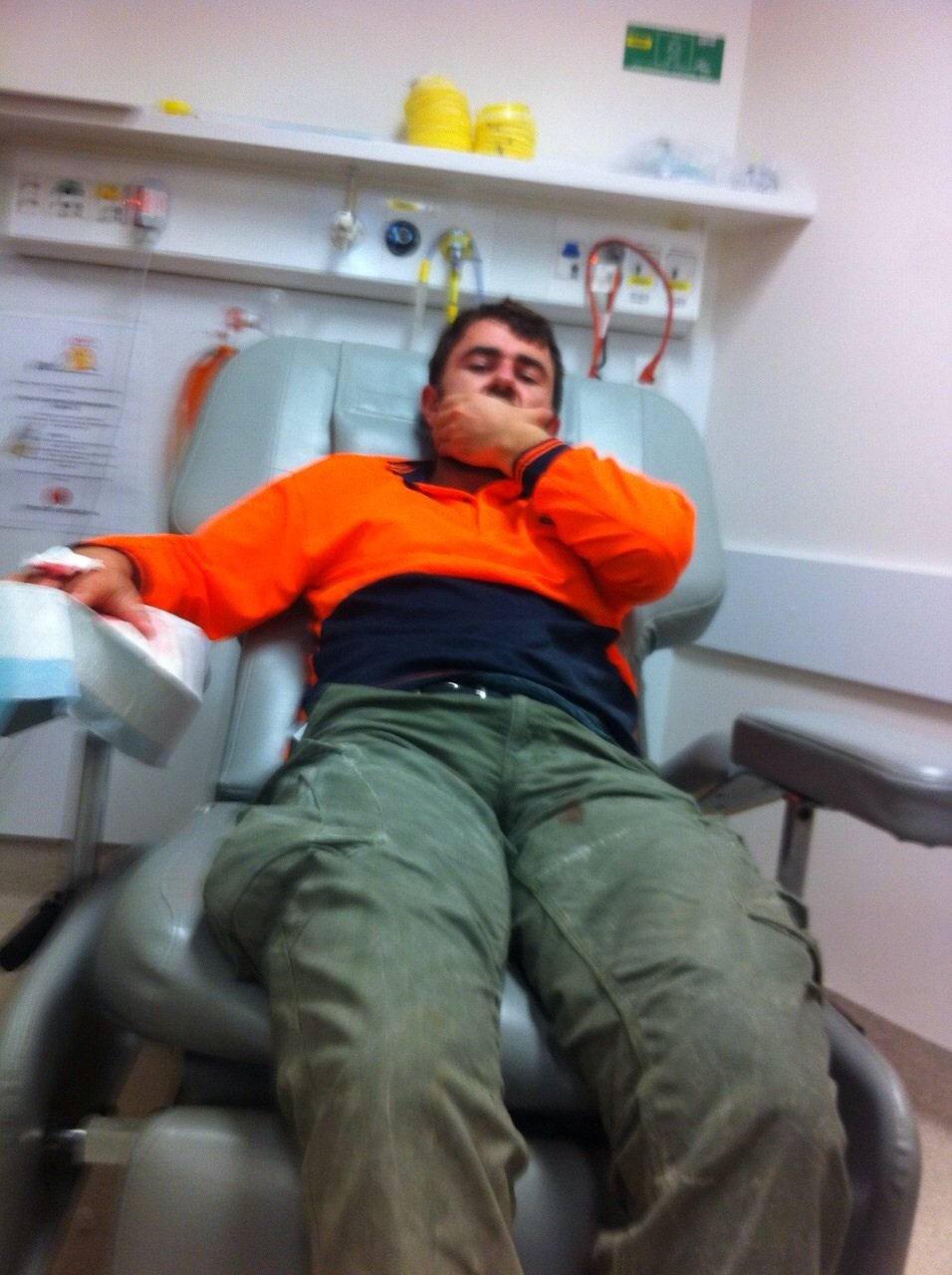
Bloody finger
What would you have done if you hadn’t done that?
If I hadn’t gone to Australia, I would have gone to Argentina, Brazil or America.
This is a list of key vocabulary and expressions from the article in order of how useful they are. The student must choose 6 items from the list to study in the lesson.
Fancy
Definition: Attractive, fashionable, or expensive-looking.
Example: She wore a fancy dress to the wedding.
Highlight
Definition: To emphasize or draw attention to something important.
Example: The teacher highlighted the most important points in the lesson.
To encourage (someone to do something)
Definition: To give someone support, confidence, or motivation to do something.
Example: My parents encouraged me to apply for the job.
To confess
Definition: To admit that you have done something wrong, embarrassing, or that you have been keeping secret.
Example: He confessed to breaking the window.
To be worth (doing) something
Definition: To be useful, enjoyable, or valuable enough to justify the time, money, or effort involved.
Example: It is worth visiting the museum while you are in London.
Commute
Definition: To regularly travel between your home and your workplace or place of study.
Example: She commutes to London by train every day.
To set off
Definition: To begin a journey or leave a place.
Example: We set off early in the morning to avoid the traffic.
To treat (someone to something)
Definition: To pay for something enjoyable for another person.
Example: I treated my friends to dinner.
Given
Definition: Considering or taking something into account; used to introduce a fact or situation that affects a conclusion.
Example: Given the weather, I think we should stay at home.
Spot-on
Definition: Exactly right, accurate, or correct.
Example: Your answer was spot-on.
I wish I had invested
Definition: Wish + had + past participle is used to express regret about something in the past. It means you wish a past situation or decision had been different.
Example: I wish I had invested in that company when its shares were cheap.
En route
Definition: On the way to a particular place.
Example: We stopped for coffee en route to Manchester.
Just in the nick of time
Definition: At the last possible moment, but still before it is too late.
Example: We arrived just in the nick of time to catch the train.
To splash out (on something)
Definition: To spend a lot of money on something, especially something you do not necessarily need.
Example: We decided to splash out on a new sofa.
To relish (something)
Definition: To enjoy something greatly, especially an experience or opportunity.
Example: She relished the opportunity to perform in front of a large audience.
To drop by
Definition: To visit someone or a place briefly and usually without making a formal arrangement.
Example: I’ll drop by your house after work.
To nod off
Definition: To fall asleep, especially for a short period of time.
Example: I nodded off while watching TV.
A calling
Definition: A strong feeling that you have a particular purpose or vocation in life, especially a profession or activity that you feel strongly suited to.
Example: She always felt that teaching was her calling.
Head over heels in love
Definition: Completely and deeply in love with someone.
Example: He was head over heels in love with her.
To have a go (at someone)
Definition: To criticize, attack, or speak angrily to someone. It can also mean to try something, depending on the context.
Example: My boss had a go at me for being late.
Wouldn’t change it for the world
Definition: Used to say that, despite difficulties or problems, you would not want your situation to be different.
Example: Life can be stressful with three children, but I wouldn’t change it for the world.
To float your boat
Definition: To be something that you particularly enjoy or are interested in.
Example: If classical music floats your boat, you’ll love this concert.
Copious amounts (of something)
Definition: Very large amounts of something.
Example: He drank copious amounts of coffee while studying.
Inadvertently
Definition: Accidentally or unintentionally.
Example: I inadvertently sent the email to the wrong person.
Blighty
Definition: An informal British term for Britain or England, especially associated with British soldiers abroad.
Example: After six months abroad, he was looking forward to getting back to Blighty.
In the lesson, I will ask you the questions the same questions from the article above.