The World Happiness Index: What It Measures and Why It Matters - By Copilot
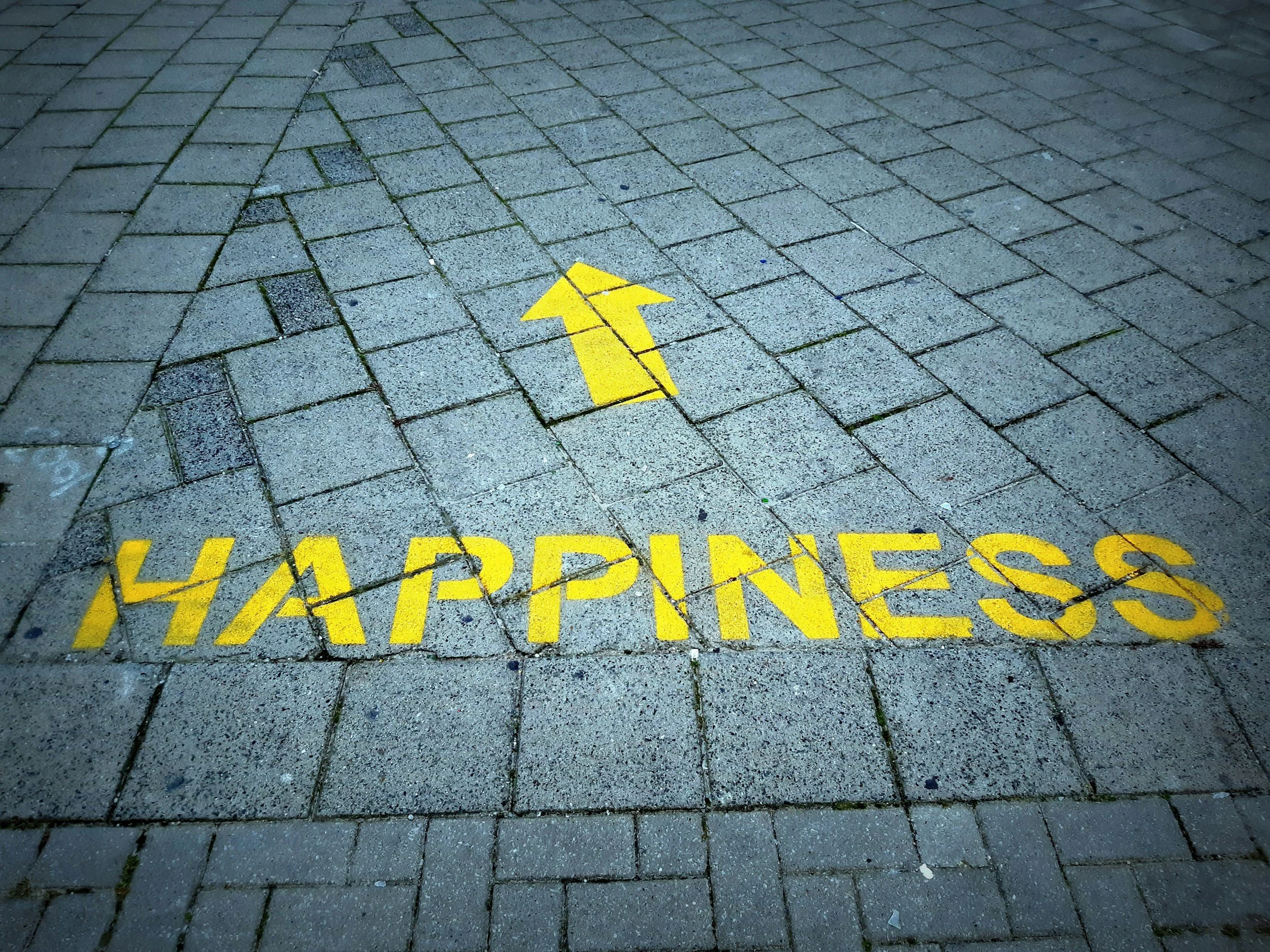
The World Happiness Index is one of those global yardsticks that tries to take the temperature of human wellbeing — not by counting smiles or tracking mood swings, but by asking people to step back and judge their lives as a whole. At its heart lies a simple question, the Cantril Life Ladder, where respondents imagine a ladder from zero to ten and decide which rung they’re standing on. It’s a deceptively simple tool that cuts through cultural differences and gets straight to the point: How satisfied are you with your life?
But the real magic — and the real debate — comes from the six factors researchers use to explain why some countries soar while others struggle. These aren’t ingredients in the score itself; they’re clues, patterns, and signposts that help us understand what’s going on beneath the surface. And each one tells a story.
GDP per capita: Money on the table, not the whole meal
The first explanatory factor is GDP per capita, essentially the average economic output per person. It’s tempting to think that more money automatically means more happiness, but the index shows that wealth is only part of the picture.
Income gives people breathing room — the ability to pay bills, plan ahead, and avoid living hand‑to‑mouth. When a country’s GDP rises, people often feel they’ve got more control over their lives. But once basic needs are met, the link between money and happiness starts to taper off. In other words, GDP helps people get off the ground, but it doesn’t guarantee they’ll fly.
Healthy life expectancy: Time is the real treasure
Next comes healthy life expectancy — not just how long people live, but how long they live well. This factor captures the idea that a long life filled with illness or pain doesn’t feel like much of a blessing.
Countries with strong healthcare systems, good nutrition, and effective public health policies tend to score higher because people feel they’ve got time on their side. When you’re not constantly fighting your own body, you can get on with living. It’s the difference between merely surviving and truly thriving.
Social support: Someone to lean on when life gets rough
The third factor, social support, is one of the most powerful. It asks whether people have someone they can rely on in times of trouble.
This isn’t about having thousands of friends or a bustling social calendar. It’s about knowing that if the bottom falls out — you lose your job, fall ill, or hit a rough patch — someone will help you pick up the pieces. Countries with strong community networks, close families, and supportive institutions tend to climb the ladder. When people feel they’re not facing life alone, happiness has room to grow.
Freedom to make life choices: Steering your own ship
The fourth factor, freedom, measures how much control people feel they have over their own lives. Can they choose their job? Their lifestyle? Their beliefs? Their relationships?
When people feel boxed in — by politics, culture, or economic pressure — happiness tends to take a nosedive. But when they feel they can call the shots, chart their own course, and change direction when needed, life feels more meaningful. Freedom doesn’t guarantee happiness, but without it, happiness struggles to take root.
Generosity: Giving without keeping score
The fifth factor, generosity, looks at how willing people are to give their time, money, or help to others. What’s clever is that researchers adjust for income, so generosity reflects genuine kindness rather than wealth.
Generosity often acts like a social glue. When people give freely, trust grows, communities strengthen, and individuals feel more connected. It’s a reminder that happiness isn’t just about what you get — it’s also about what you give away.
Perceptions of corruption: Trust makes the world go round
Finally, perceptions of corruption measure how much people trust their government and businesses. When corruption is seen as widespread, people feel the game is rigged. They lose faith in institutions, neighbours, and even themselves.
But when corruption is low, trust flows more easily. People feel the system is fair, that hard work pays off, and that society isn’t held together with smoke and mirrors. Trust doesn’t just oil the gears of democracy — it boosts happiness too.
Bringing it all together
The World Happiness Index isn’t perfect, and it certainly isn’t the be‑all and end‑all of wellbeing. But it shines a light on what makes life worth living. It shows that happiness isn’t just about wealth or comfort; it’s about trust, health, freedom, connection, and the sense that life is heading in the right direction.
This is a list of key vocabulary and expressions from the article in order of how useful they are. The student must choose 6 items from the list to study in the lesson.
To tend to
Definition: To usually behave in a particular way or show a pattern.
Example: I tend to wake up early when I have a lot on my mind.
Tempting
Definition: Attractive or appealing, making you want to do something even if you shouldn’t.
Example: The idea of skipping work and going to the beach was tempting.
To be willing
Definition: To be prepared or happy to do something; to agree without resistance.
Example: She was willing to help even though she was exhausted.
To rely on
Definition: To depend on someone or something for support or help.
Example: You can rely on him to keep things running smoothly.
In other words
Definition: Used to rephrase something more clearly or simply.
Example: The project failed — in other words, we need a new plan.
Whether
Definition: Used to introduce alternatives or possibilities.
Example: I don’t know whether he’ll come today or tomorrow.
Thriving
Definition: Growing, developing, or doing very well.
Example: The café is thriving now that the new owner has taken over.
To pay off
Definition: To bring good results after effort or time.
Example: Her months of training paid off when she won the race.
To get on
Definition: To continue doing something, especially after a pause.
Example: Let’s stop chatting and get on with the work.
Widespread
Definition: Found or occurring in many places; common.
Example: There was widespread support for the new policy.
To soar
Definition: To rise quickly and dramatically.
Example: Prices began to soar after the announcement.
Deceptive
Definition: Giving a false impression; misleading.
Example: His calm voice was deceptive — he was furious inside.
Bustling
Definition: Full of activity, noise, and movement.
Example: The market was bustling with shoppers and street performers.
To call the shots
Definition: To be in control and make the decisions.
Example: In that company, the CEO calls the shots.
To be rigged
Definition: Fixed or arranged dishonestly to produce a certain result.
Example: They believed the competition was rigged from the start.
The be-all and end-all
Definition: The most important thing; something seen as essential.
Example: For some people, money is the be-all and end-all.
Merely
Definition: Only; nothing more than.
Example: It was merely a suggestion, not a command.
To be boxed in
Definition: To feel trapped or restricted with no choices.
Example: She felt boxed in by the strict rules at work.
To take root
Definition: To begin to develop or be established.
Example: The idea took root and soon became a full project.
Breathing room
Definition: Time, space, or freedom to think or act without pressure.
Example: The extra funding gave the team some breathing room.
To live hand-to-mouth
Definition: To live with just enough money to survive, with no savings.
Example: Many families were living hand-to-mouth during the crisis.
To chart your own course
Definition: To decide your own direction in life; to act independently.
Example: He left the company to chart his own course as a freelancer.
A yardstick
Definition: A standard used to measure or judge something.
Example: Exam results aren’t always a good yardstick for intelligence.
To taper off
Definition: To gradually decrease or become smaller.
Example: The storm began to taper off by late afternoon.
Smoke and mirrors
Definition: Tricks or deception used to hide the truth.
Example: The company’s promises were just smoke and mirrors.
15 conversation-provoking questions about the article:
1. What is the World Happiness Index?
2. What was said about GDP?
3. What was said about life expectancy?
4. What was said about social support?
5. What was said about freedom?
6. What was said about generosity?
7. What was said about corruption?
8. How would you rate your native country and the country where you live now in terms of each of these factors?
9. Do you agree that these 6 factors are the most important?
10. Is it possible to give too much freedom?
11. Should social support come from the family or the state?
12. Do you contribute to your nations generosity?
13. What could be done to improve life expectancy?
14. Which factor is the most important?
15. Are there any factors that you would add?